Sustainable Forest Management

Sustainable Forest Management

What is Sustainable Forest Management

About Sustainable Forest Management

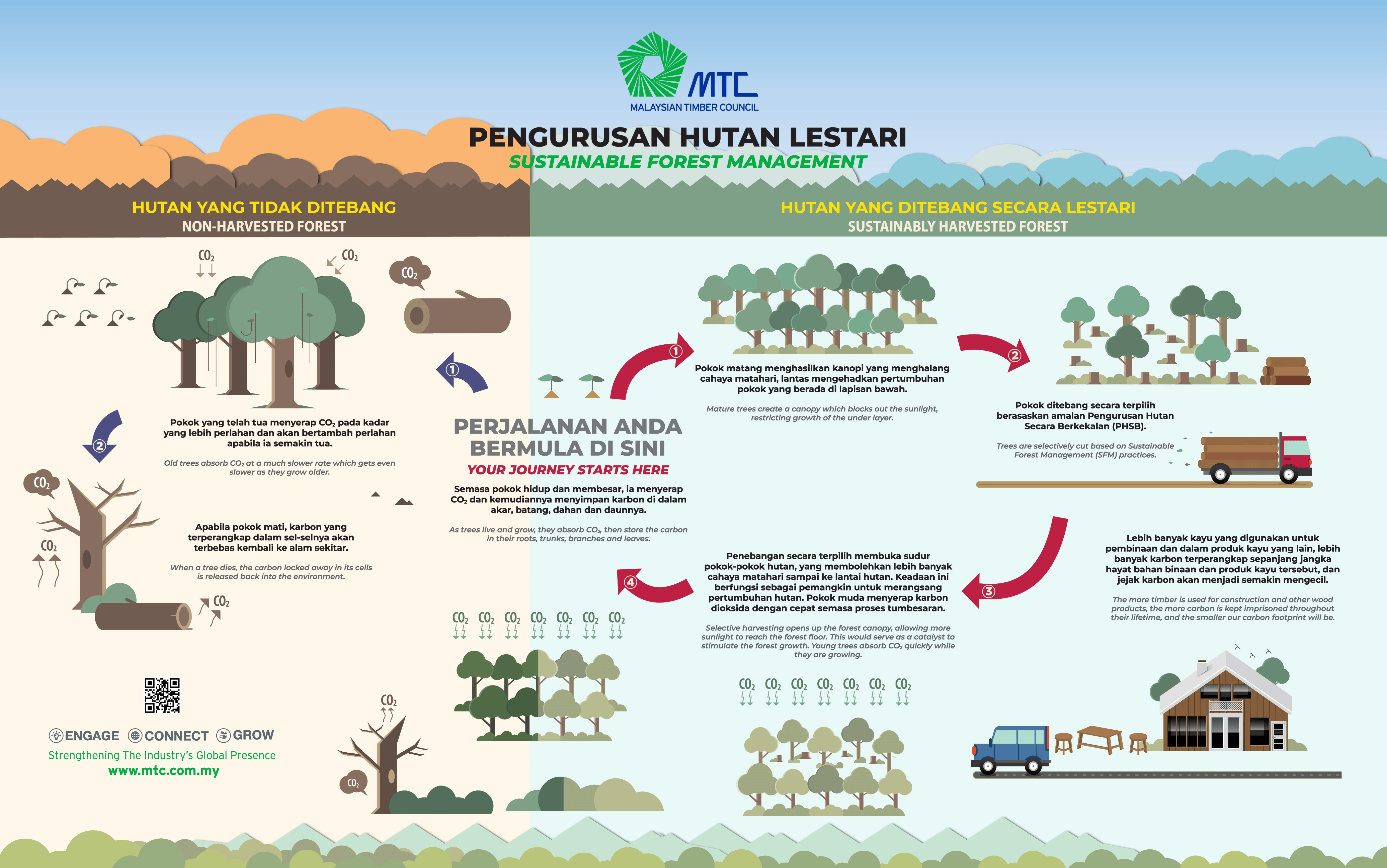
Sustainable forest management is a meticulous process overseen by Forest Managers to ensure that forests remain healthy and productive for future generations. These managers play a crucial role before, during, and after logging activities to maintain the quality and sustainability of forests designated as Permanent Reserved Forests (PRF).

The Selective Management System (SMS)

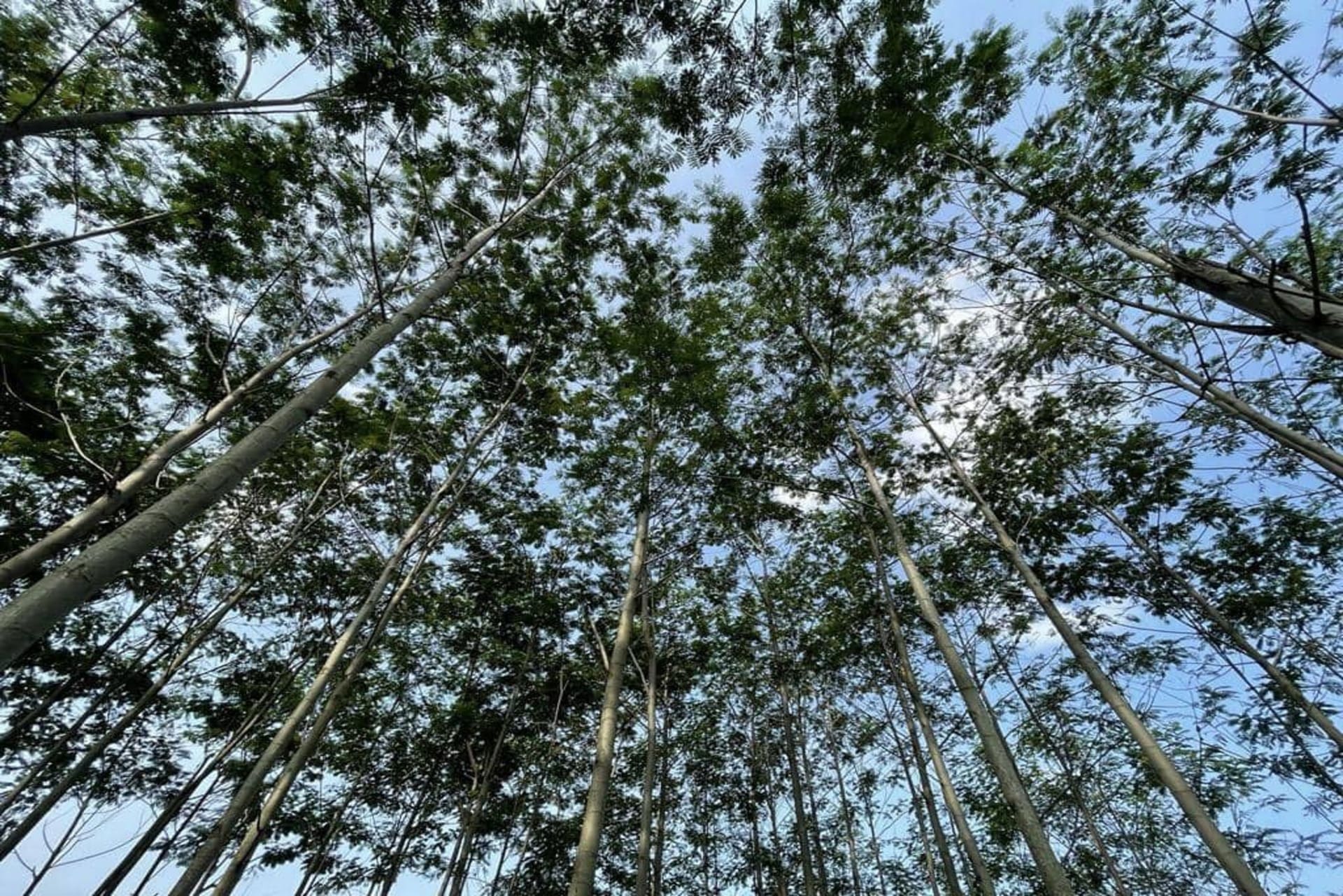
At the heart of Malaysia’s sustainable forestry practices is the Selective Management System (SMS). This method involves carefully selecting and harvesting mature trees while preserving younger and ecologically important trees. By allowing the forest to naturally regenerate over a 25–30 year cycle, SMS ensures continuous timber supply while maintaining biodiversity and minimizing environmental damage.

Federal-Level Responsibilities

Pre-Logging: Detailed Planning and Inventory

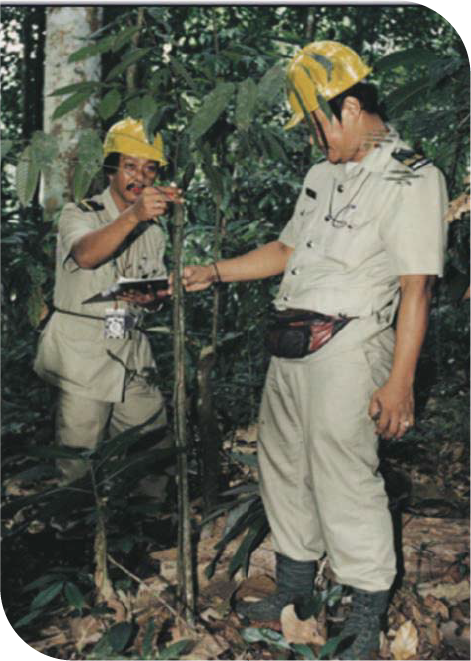
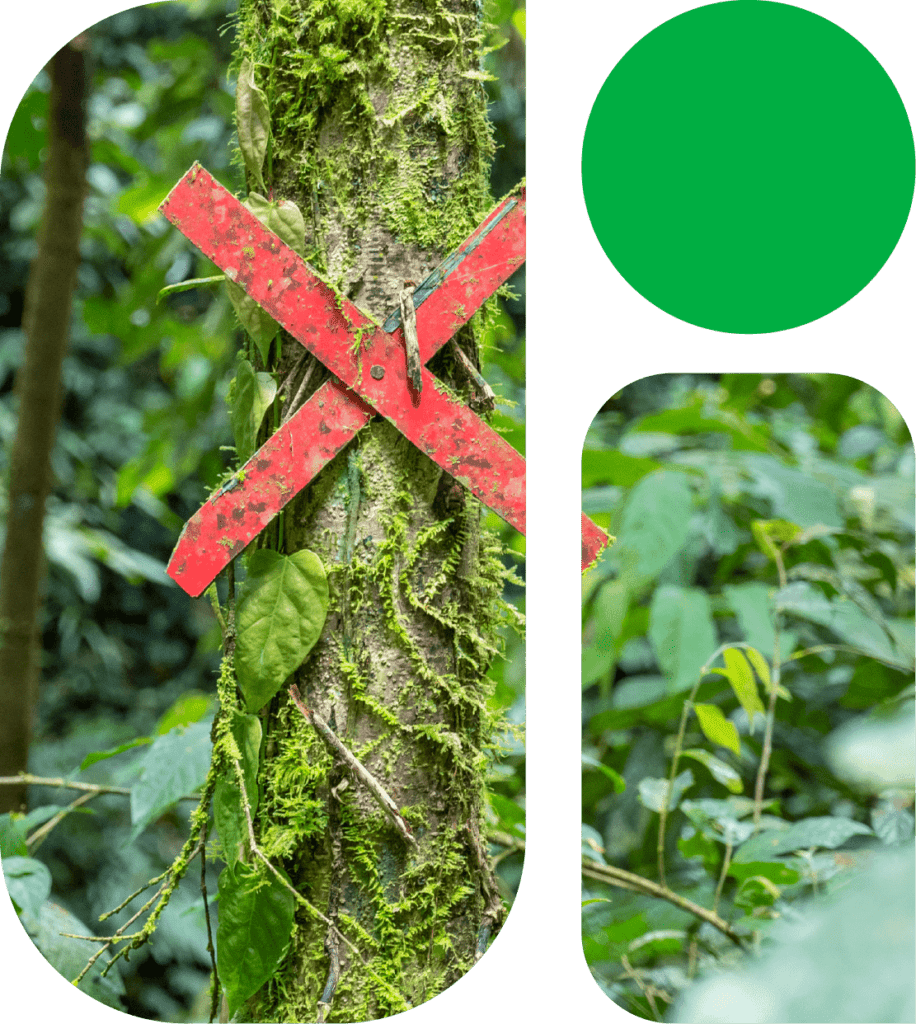
Before any logging can begin, Forest Managers conduct a pre-felling inventory, often requiring 10–14 days in dense tropical forests. These expeditions identify and mark key trees, such as mother trees, that must be preserved to maintain biodiversity and natural regeneration. This stage ensures a clear understanding of the forest’s composition and guides sustainable harvesting practices.
Logging: Compliance and Environmental Protection

During logging, Forest Managers oversee concessionaires to ensure strict compliance with regulations. This includes practices like directional felling to minimize damage, constructing forest roads and skid trails with minimal environmental impact, and maintaining buffer zones along rivers to prevent soil erosion. These measures reduce ecological disruption while allowing responsible timber extraction.

Post-Logging: Enrichment Planting and Restoration

After harvesting, Forest Managers focus on restoring the forest. Enrichment planting is conducted on degraded areas such as skid trails and log yards to replenish residual stock for future harvests. This stage ensures the long-term health and productivity of the forest ecosystem.

Timber Removal: Accountability and Compliance

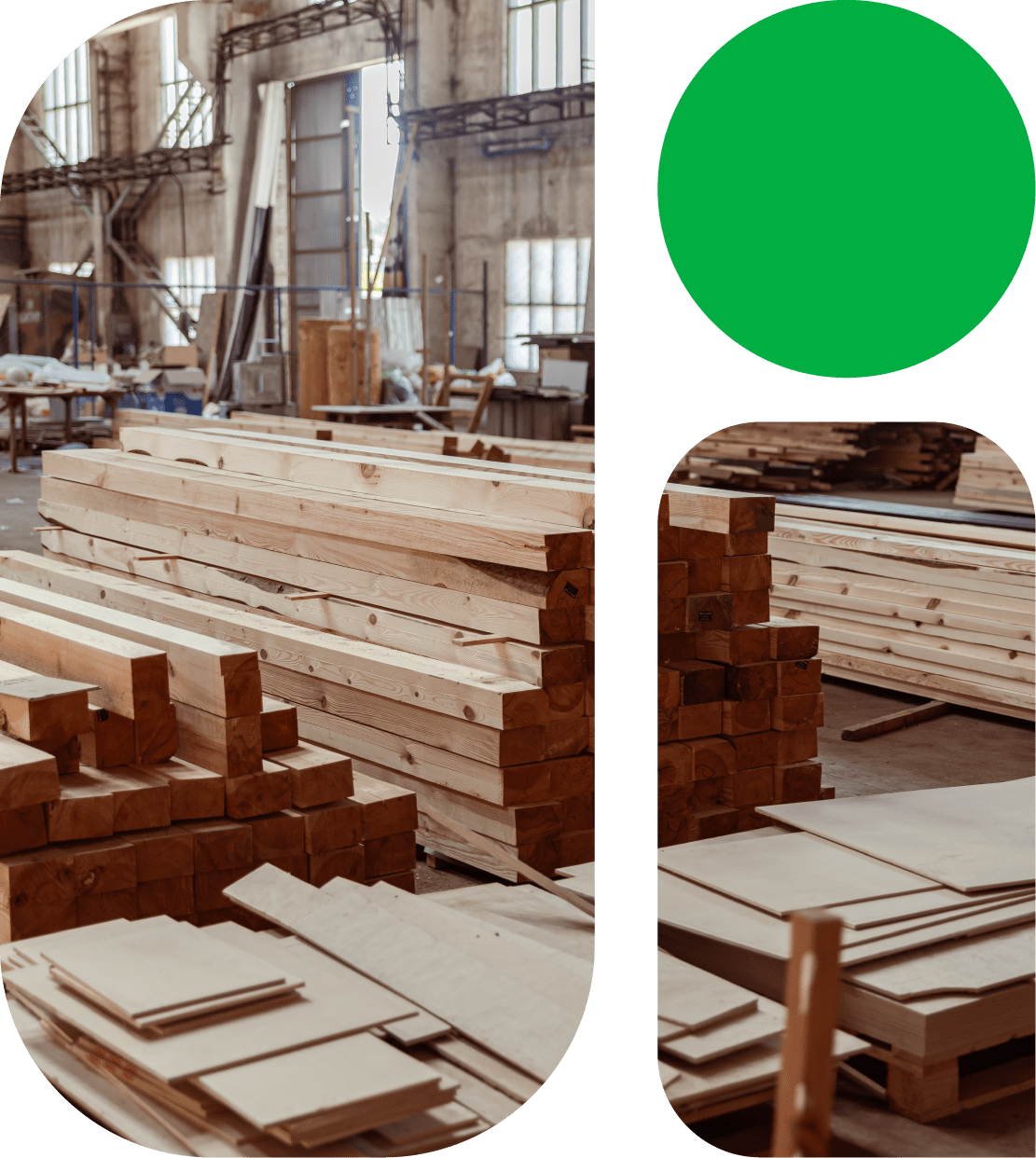
Logs removed from forest compartments are transported to designated forest checking stations. Here, royalty and forest development cess are assessed and paid to the State Forestry Departments. Only after these dues are settled are removal passes issued, ensuring accountability in timber extraction.