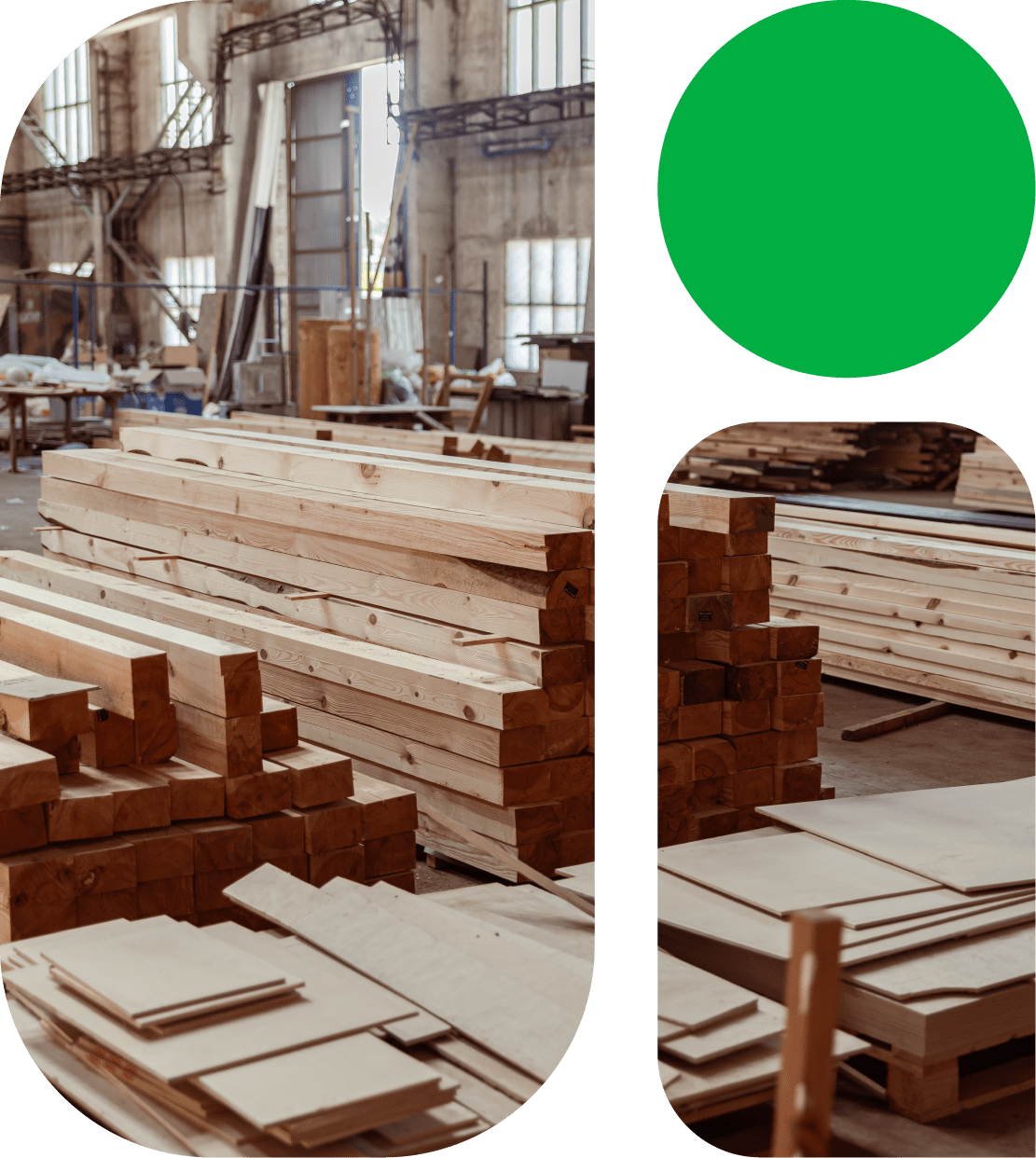
Forests play a vital role in carbon sequestration, absorbing CO₂ from the atmosphere and locking it into trees. Through sustainable forest management, we can optimise carbon storage while maintaining a continuous supply of timber.
Fascinating Facts About Forest Carbon Absorption
Timber is an excellent long-term carbon storage solution, with 50% of its dry weight composed of carbon. A hectare of trees absorbs enough CO₂ annually to offset emissions from a car driven 10,000 km. Through sustainable forestry, forests remain productive and carbon-rich, helping mitigate climate change while supporting the global timber industry.
Carbon Storage in Wood
How Trees Store Carbon
As trees grow, they absorb CO₂, storing carbon in their roots, trunks, branches, and leaves. However, mature trees form a dense canopy that blocks sunlight, slowing the growth of younger trees and limiting further carbon absorption.
The Impact of Tree Death in Non-Harvested Forests
When trees die naturally from age, fire, lightning, or wind damage, they release stored carbon back into the atmosphere. A single 70-year-old tree can release one tonne of carbon as it decays.
The Benefits of Selective Harvesting
Selective harvesting, guided by Sustainable Forest Management (SFM), opens the forest canopy, allowing sunlight to promote faster growth of young trees and increased CO₂ absorption. Meanwhile, harvested timber used in construction and wood products continues to store carbon, helping reduce the overall carbon footprint.